
I still remember the first time I saw them.
Walking through the streets of Bandar Abbas, somewhere between the coastal heat and the rhythm of daily life, I suddenly noticed women wearing these striking, almost surreal masks. At first, I didn’t fully understand what I was looking at. The shapes were bold, almost metallic in appearance, covering the face in a way I had never seen before. It felt mysterious, unfamiliar — and instantly fascinating.
This was my introduction to one of the most unique traditions in Iran: the masked women of Southern Iran.
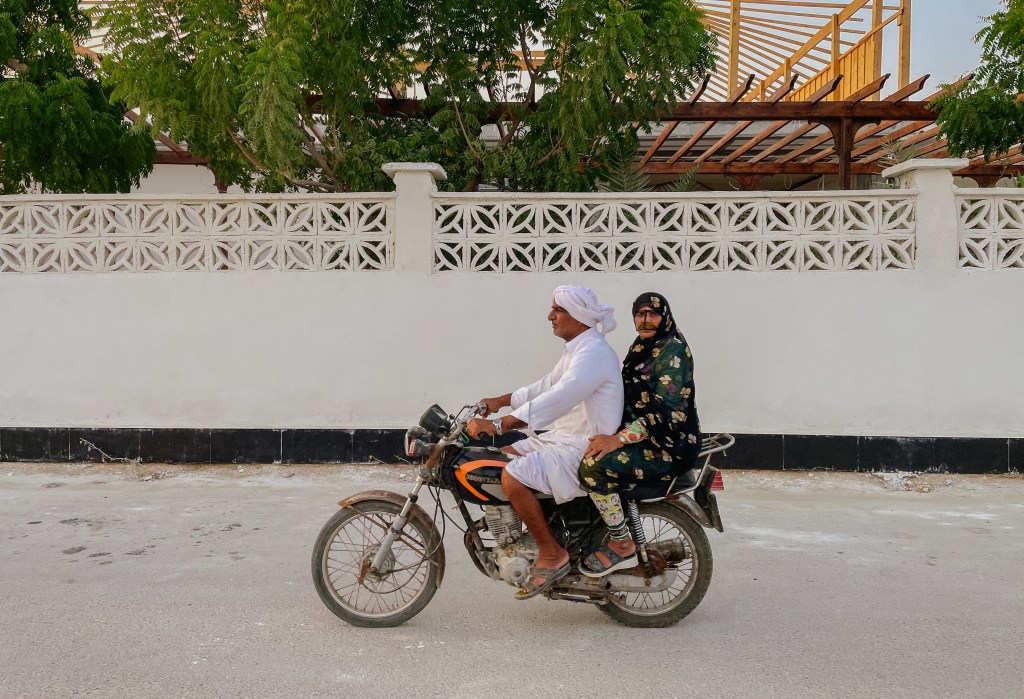
My journey eventually took me deeper into the Hormozgan province, a region shaped by centuries of trade along the Persian Gulf. This part of Iran feels very different from the rest of the country. There’s a mix of cultures here — Persian, Arab, African, even Indian influences — and you can feel it in everything from the food to the music and especially in the clothing.
Women here don’t just wear black. Instead, you see vibrant colors, flowing fabrics, and patterns that reflect a completely different identity. And then, of course, there are the masks — known locally as boregheh.
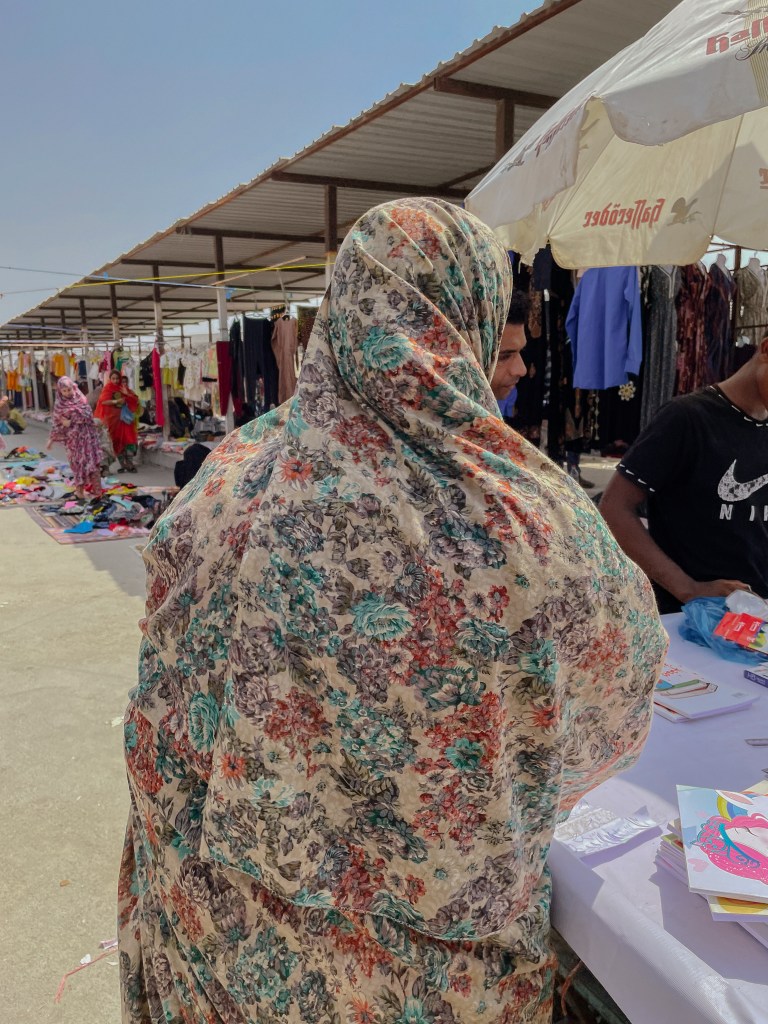
One of the highlights of my trip was visiting the Thursday market in Minab. I had heard that this market was one of the most authentic in southern Iran, but I wasn’t prepared for what I would experience.
Every Thursday, people from surrounding villages gather here. Farmers bring fresh fruits and vegetables, traders sell textiles and spices, and the entire place fills with life, noise, and movement. It’s not a tourist attraction — it’s real, raw, and local.
And this is where I saw them everywhere.
Women wearing the traditional Bandari masks moved through the market, shopping, talking, laughing — just living their daily lives. The contrast was incredible: bright, colorful dresses paired with these strong, mysterious face coverings.
As a photographer, this was one of those rare moments where you feel completely immersed. I spent hours walking through the market, observing, connecting, and carefully documenting what I saw. I also had the chance to meet several women wearing the boregheh, which made the experience even more meaningful.
What Is Behind the Mask?
Naturally, I wanted to understand more.
The origin of these masks isn’t entirely clear, which only adds to their mystery. Some locals told me stories about the past — about times when foreign traders came to the region, and women wore the masks to hide their identity. Others explained that the masks helped protect them from the harsh sun and wind of the Persian Gulf.
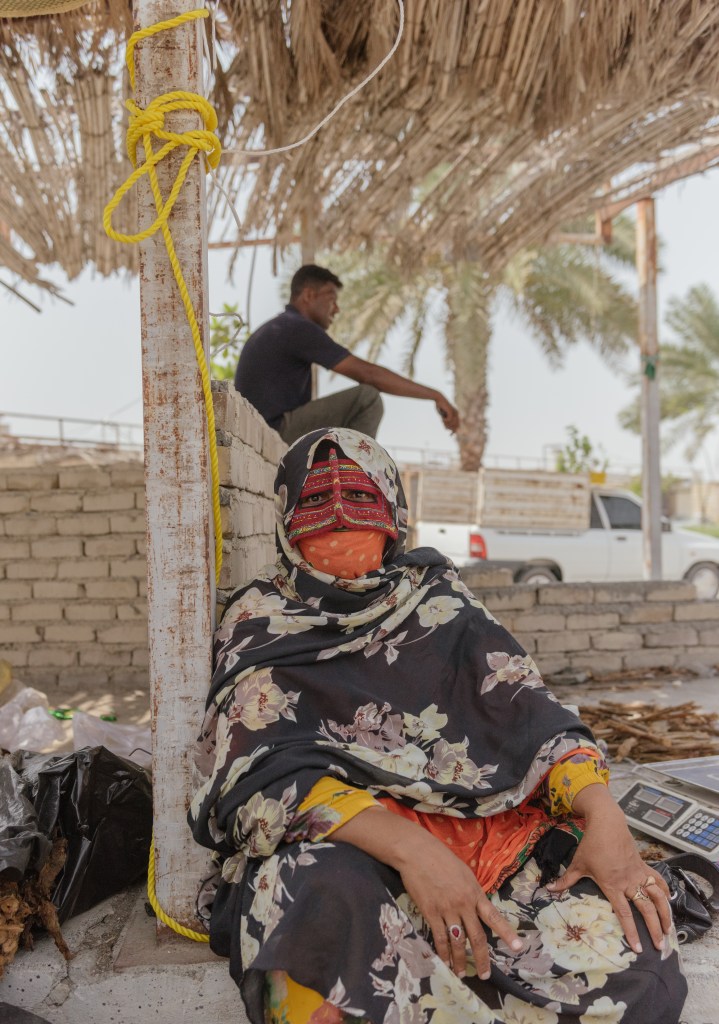
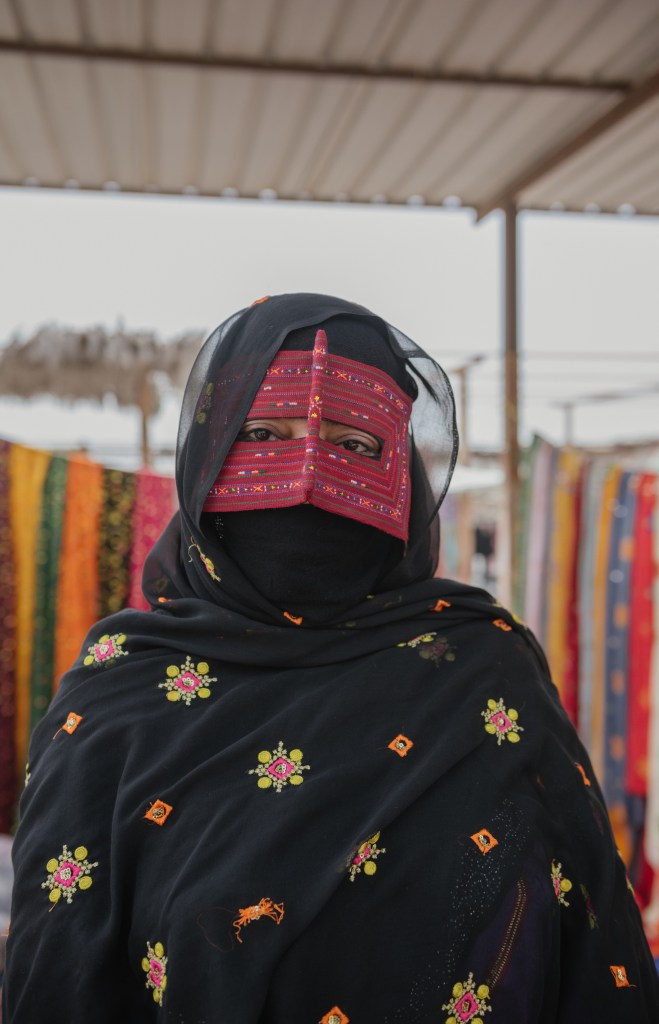
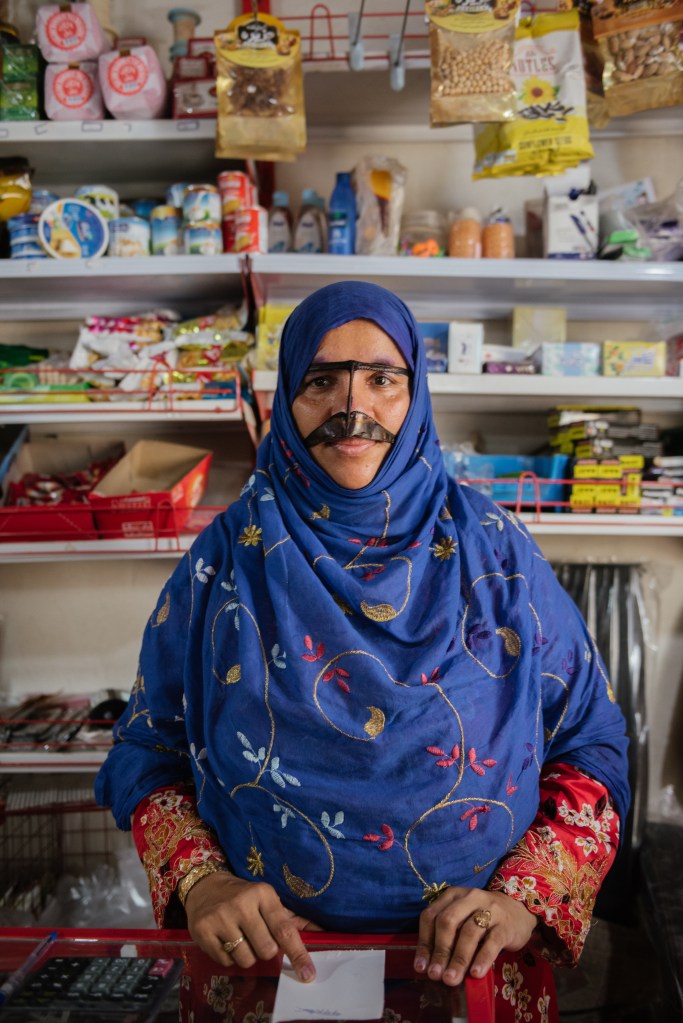
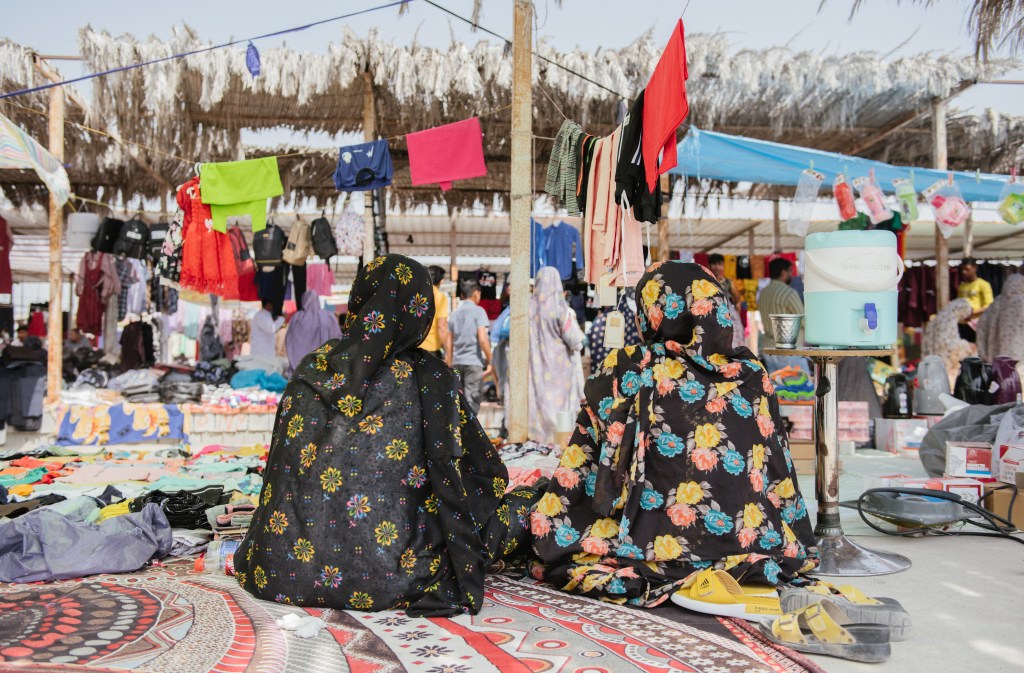
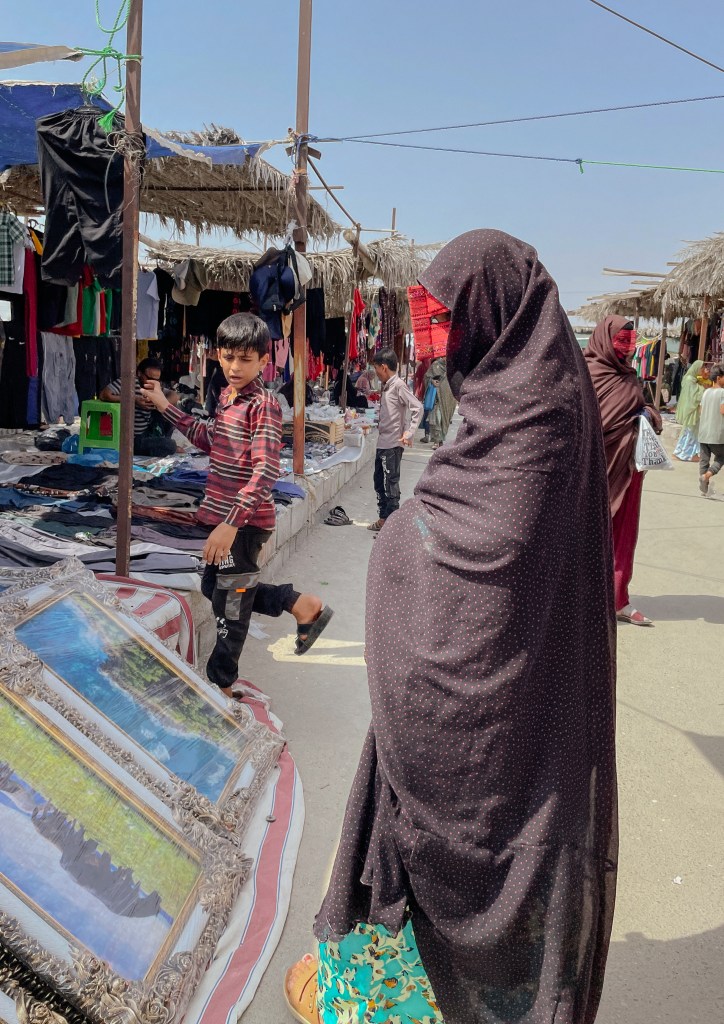
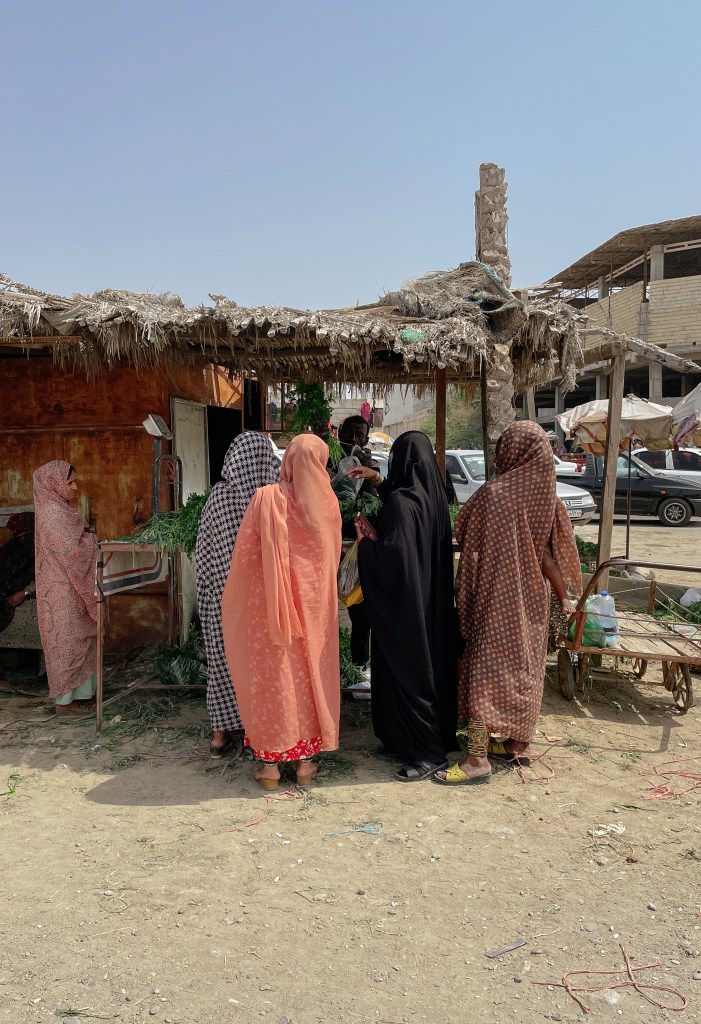
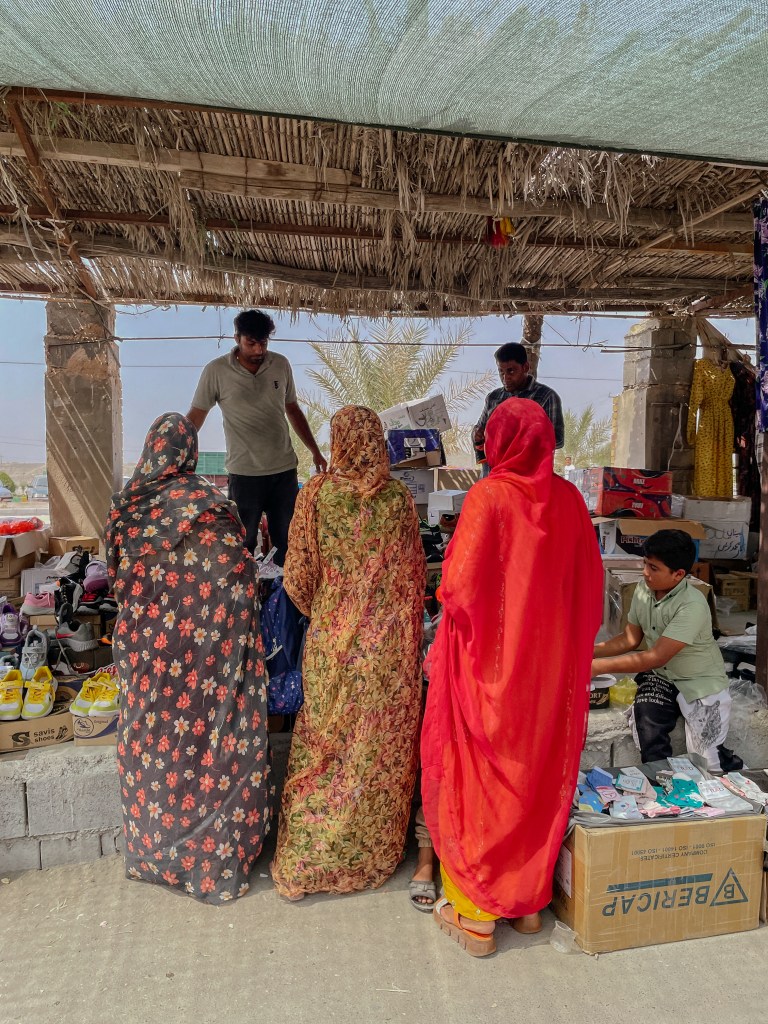
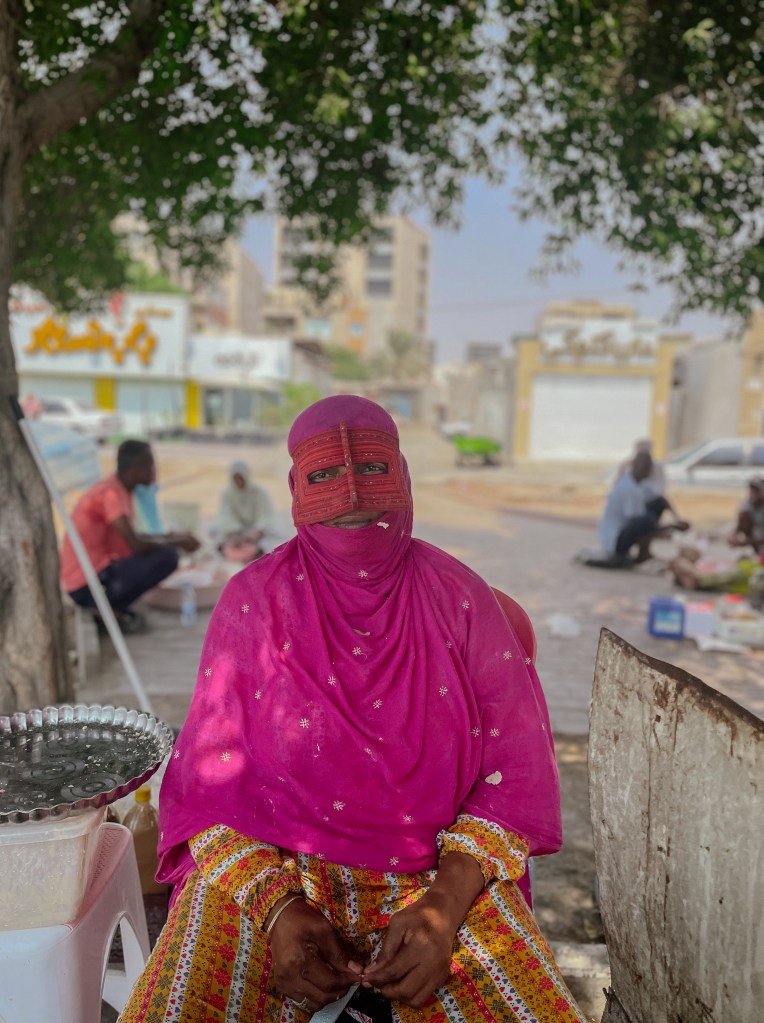
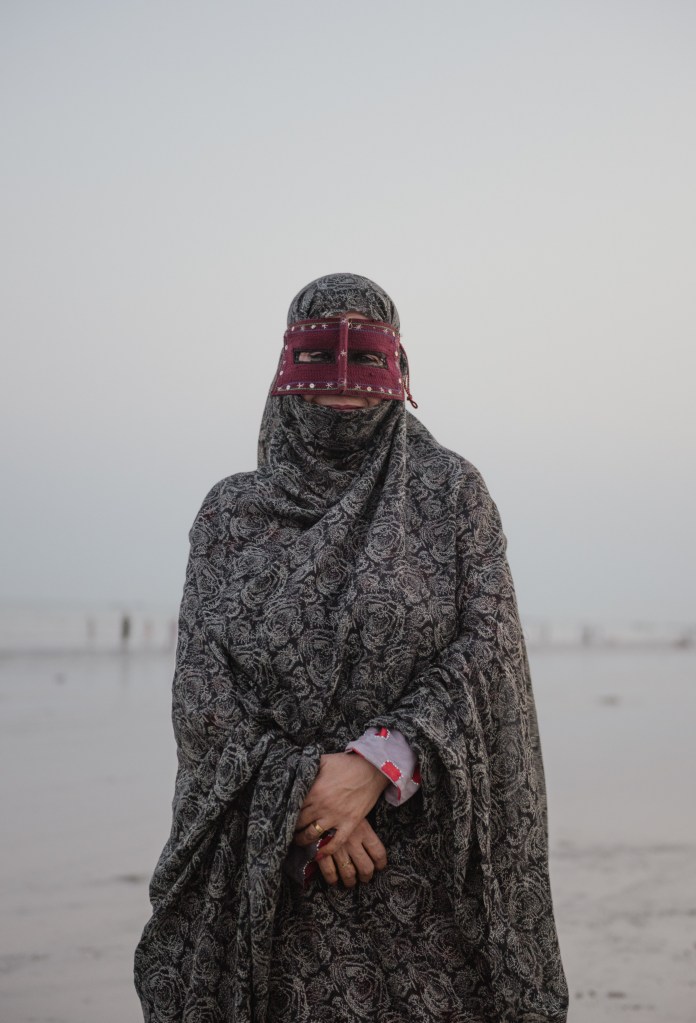
There are even theories that the shapes — sometimes resembling eyebrows or a moustache — were designed to make women look more intimidating from a distance.
What fascinated me most was that these masks aren’t random. Each design can say something about the woman wearing it — where she comes from, her background, even her social status. It’s a kind of visual language that only locals fully understand.
At the same time, it was clear that this tradition is slowly changing.
In some areas, especially among younger generations, the masks are becoming less common. Modern styles are replacing older customs, and like many traditions around the world, this one is at risk of fading away.
That made the experience feel even more special — like I was witnessing something that might not exist in the same way in the future.
As an adventurer, explorer, and photographer, this is exactly why I travel — to discover stories like this, to experience cultures that are completely different from my own, and to document them in a respectful and authentic way.
I created a full episode about this experience on my YouTube channel, Hudek Adventures. In it, I take you through the Thursday market in Minab, show you the atmosphere, and share my encounters with the masked women of southern Iran.
Final Thoughts
The masked women of southern Iran are more than just something visually striking — they represent history, identity, and a way of life shaped by centuries of cultural exchange.
For me, this wasn’t just another stop on a journey. It was one of those moments that stays with you — a reminder that the world is still full of traditions, stories, and perspectives waiting to be discovered.
And sometimes, the most fascinating stories are the ones hidden behind a mask.

 Life in Focus: Exploring the Diversity of Cultures